What if we could change the immune system's mind about what it's learned to attack?
In autoimmunity, allergy, and other inflammatory conditions, I'm searching for the answer.
Joe Reda
Postdoctoral Associate, NYU
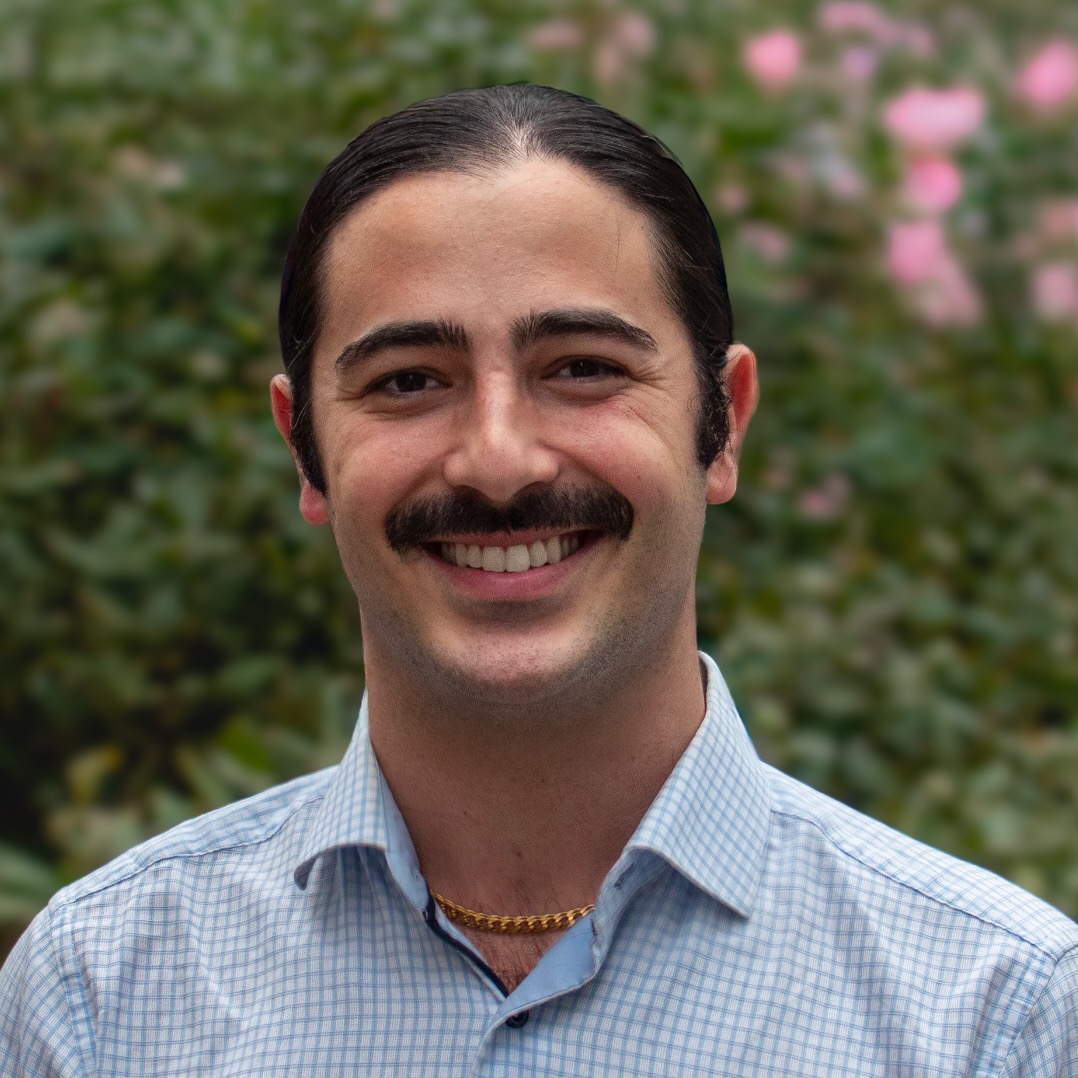
Efferocytosis — the clearing of dying cells — is how the body maintains peace. I believe it can be engineered to restore peace where it's been lost.
Research Focus Areas
Recent
Leading Aim 2 of a Colton Center for Autoimmunity grant
Single-cell multiome analysis of human rheumatoid-arthritis samples
Albumin-fused IL-10 prevents experimental autoimmune encephalomyelitis by promoting immunoregulation in the secondary lymphoid organs
LDL-binding IL-10 reduces vascular inflammation in atherosclerotic mice
Liver-targeted allergen immunotherapy for allergic airway disease
Background
I work at the intersection of protein engineering, bioinformatics, and immunology. My research focuses on designing proteins that can induce targeted immunological tolerance through efferocytosis-mediated pathways.
I increasingly work AI-augmented — building my own computational tools to strip friction from the science and move faster from question to answer.
Previously, I completed my Ph.D. at the University of Chicago's Pritzker School of Molecular Engineering, where I worked in Jeffrey Hubbell's lab developing novel approaches to antigen-specific immune modulation.
Learn more about my workExpertise
Wet Lab
Protein engineering, flow cytometry, mouse models of autoimmunity & allergy
Computational
High-dimensional spectral flow analysis in R and Python; leading single-cell multiome and spatial-transcriptomics analysis; AI-augmented tool-building with Claude Code